Displaced Forms: Assyrian Reliefs, Ecological Intentionality, and the Ethics of Perception

Twenty years ago (2006), my first book, Asia Has Claims Upon New England: Assyrian Reliefs at Yale, was published by Yale University after my time there as a graduate student working at the Yale University Art Gallery. It’s a short study of how carved stones from the palace of Assurnasirpal II at Nimrud came to New Haven and entered the religious, educational, and institutional imagination of nineteenth-century America. That earlier work focused on Assyrian palace reliefs, Protestant missionary culture, biblical archaeology, and the strange afterlives of objects once they are removed from the worlds that formed them. The original publication is available here, with catalog records available through Yale/WorldCat and the Smithsonian Institution.

This new work, “Displaced Forms: Assyrian Reliefs, Ecological Intentionality, and the Ethics of Perception,” returns to that earlier project from the standpoint of my current doctoral work in ecology, spirituality, and religion at CIIS. I ask what happens when a form is separated from its world, whether that form is an Assyrian relief, a sacred tree carved in gypsum, a black walnut in a Spartanburg yard, or a river translated into capacity. The essay brings the Assyrian reliefs into conversation with ecological phenomenology, Edith Stein’s account of form, and my ongoing work on ecological intentionality. Its central claim is simple, I think… displaced forms continue to make claims upon us, and to perceive them rightly requires more than possession, preservation, or admiration. It requires learning to receive the worlds still speaking through them.
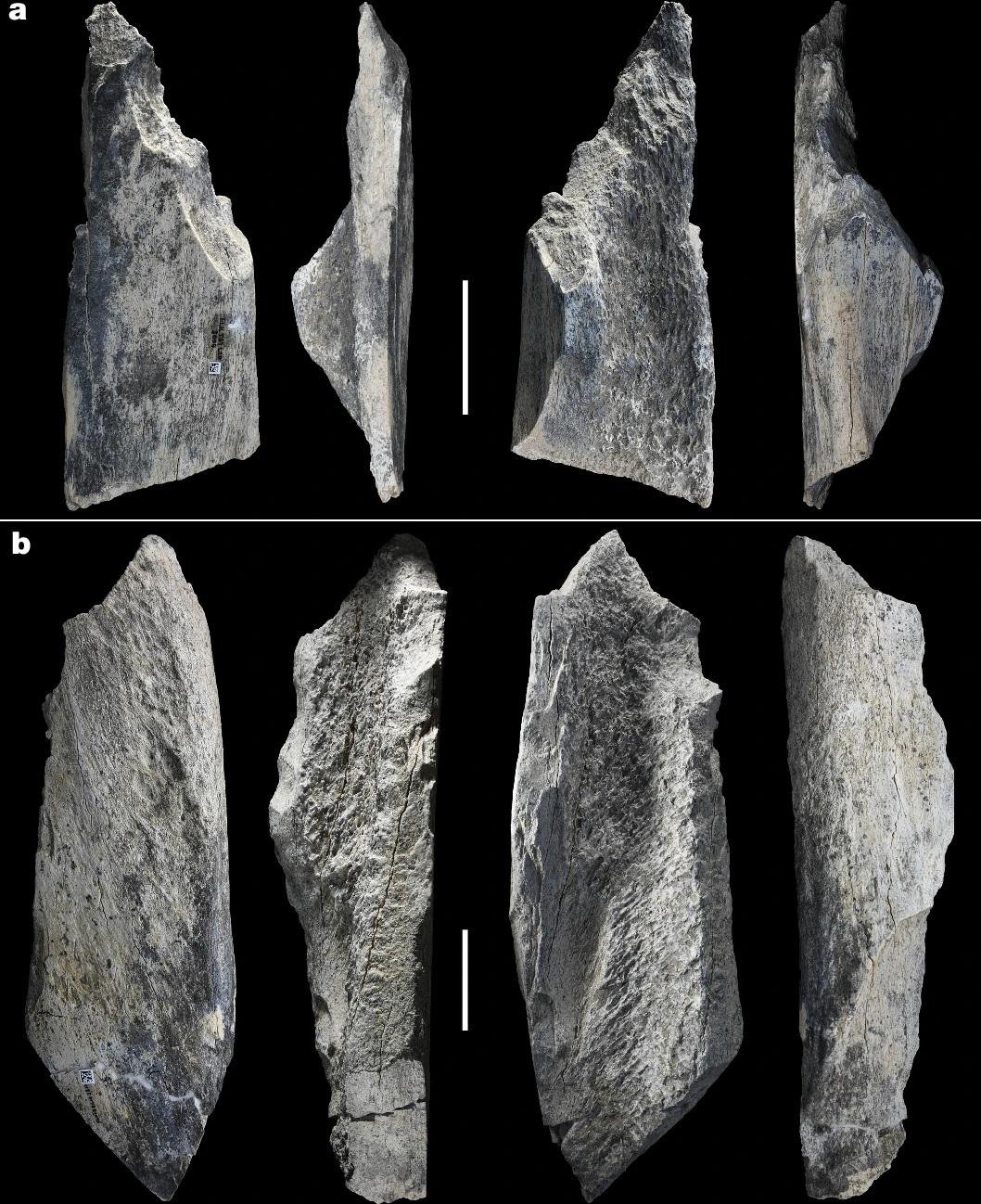
Oldest Bone Tools Made by Hominids Discovered

We keep pushing back the clock on this! I’m certain there’s a good deal left to (re)discover about our distant and near past…

1.5-million-year-old bone tools discovered in Tanzania are the oldest ever, reshaping early hominin technology

1.5-million-year-old bone tools discovered in Tanzania are the oldest ever, reshaping early hominin technology | Archaeology News Online Magazine:

Archaeologists have uncovered a collection of bone tools at Olduvai Gorge in Tanzania, dating back 1.5 million years. This finding has pushed back systematic bone tool production by more than a million years and challenges previous assumptions about the technological capability of early hominins. Crafted from the bones of elephants and hippopotamuses, these tools showcase an advanced level of cognitive ability and craftsmanship, which was thought to have emerged much later in human development.

“God said to Abraham give me a son…”

In Genesis, God prevented Abraham from carrying out the act. However, the papyrus text tells the story differently, suggesting that Isaac was indeed killed. This echoes the way the story is told in a number of other ancient texts, Zellmann-Rohrer said.

— Read on www.newsweek.com/1500-year-old-ancient-egyptian-papyrus-contains-stories-biblical-human-891667

Viking Color Palette

Well now I think this blog needs a visual overhaul (we Harrelson’s do come from the Vikings after all):

Archaeologists and chemists have now studied colour use in the Viking Age based on the chemical analyses of pigments from a number of objects and a review of existing information on the topic.

These colours are now available to all in the form of a colour palette: A Viking paint chart.

— Read on sciencenordic.com/how-decorate-viking